The Creation of my backyard habitat for wildlife and our enjoyment and how it has grown and changed since 2004.
Showing posts with label Herb garden. Show all posts
Wednesday, October 12, 2011
9 tips for Sensational Harvest
All across the country people are rediscovering the joys of growing their own vegetables, fruits and herbs. As well as producing fresh, flavorful food, a kitchen garden can be a source of nearly year-round enjoyment. If you are planning a fall garden or spring garden consider these ideas to improve your yield.
1. Contain your plants-Rusted washtubs; wheelbarrows, and watering cans make whimsical planters for salad greens such as ‘Red Fire’, Oakleaf, and butter lettuces. Containers add another level of interest while boosting growing space. (Be sure to drill holes for drainage.)
2. Plan for bounty & beauty-The French potager is a kitchen garden designed for visual appeal and productivity. Beginners should start small. Four 4 X 4 beds can provide one or two people with fresh greens, tomatoes, and herbs throughout the growing season. Check with your county extension service for varieties that are the best for your locality.
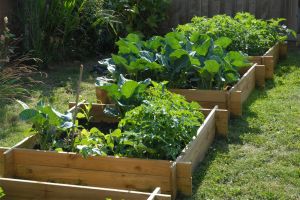
3. Raised beds to lift yields-Garden beds raised several inches above pathways are easier to tend, warm up faster in spring allowing for earlier planting and drain better than flat beds. Make beds 4 feet wide for easy maintenance; pathways should be 4-5 feet wide to allow easy passage with a garden cart.
4. Choose companions-Be skeptical about following of-repeated plant adages such as “plant carrots with tomatoes”. Many of these claims have not panned out in scientific trials, overcrowding beds can reduce yields. Instead, consider edging beds with compact herbs, like parsley or edible flowers like nasturtiums. Herbs and flowers add visual appeal and attract pollinators.
5. Embrace diversity-Grow herbs alongside your vegetables. Loaded with flavor and fragrance, herbs such as garlic and chives can be potent pest repellents. At the same time, tiny herb flowers attract and sustain beneficial insects and pollinators, which are critical for crop production. To reduce plant diseases, nutrient depletion, and insect pests, avoid planting the same crop in the same location is successive years.
6. Build a structure-The best kitchens gardens include a seating area--a shady place to rest and escape the heat of the day. While a well-placed shade tree will do the trick, a pergola also offers the opportunity to grow vines such as grapes.
7. Reach for the sky-Take advantage of vertical space by including climber, which produce more per square foot of garden space than bush varieties. Red-blossom ‘Painted Lady” and ‘Scarlet Runner” pole beans planted along one edge of a row of beds climb 8-foot tall stakes that form tepees over pathways. Tomatoes, peas, and vining fruits also should be supported with stakes, cages, or trellises for big blemish-free produce.
8. Blanket your soil-After the soil warm, lavish plants with a thick layer of organic mulch such as shredded leaves or grass clippings. Mulch helps retain soil moisture, blocks weeds and will gradually break down into humus-all will be beneficial to the plants growth. Mulching can also reduce plants susceptible to soil-borne diseases.
9. Plan to succeed-Double your harvest with relay crops.” Follow spring-planted veggies, such as lettuce, carrots, scallions, or peas, with late-maturing crops, such as sweet corn, melons, broccoli, or kale. Successive crops might occupy the same bed for a short time. By the time the second crop is big enough to take over the space, the first will be ready to pull out. Choose fast-maturing varieties when using this technique.
If you’ve dreamed of gathering basketfuls of sun–ripened fruits and vegetables right outside your door find a sunny location and give these tips a try.
Wednesday, May 25, 2011
Parsley in the Garden- many uses


The first time I planted parsley in my garden was in Florida. I did it to have on hand to feed my husband’s cockatiels. At the time we had an aviary of breeding birds and they liked to eat parsley as a source of greens. Caterpillars found it and ate more than half of my plants!
Then we moved to Georgia and no longer had the birds. This time I planted the parsley as a landscape plant in my garden. Both times I had plenty of extra to use in cooking. Then we moved again this time to South Carolina. This time I was working on a Backyard habitat for birds and butterflies and wanted to attract the black swallowtail butterfly caterpillar I planted a lot of parsley including curly, flat leaf and cilantro along with dill, fennel and Queen Anne’s lace from seed. Once again I had a lot of extra for cooking but no caterpillars this time!
Most of my plants over wintered and were really huge. One day in late spring I went to pick some parsley for cooking and discovered my plant was stripped and I saw 5 or 6 fat caterpillars. Checking my other plants I discovered caterpillars on most of my plants. Since that time I always plant extra parsely, dill and fennel just to feed the caterpillars. Once in a while I’ll see a Black Swallowtail Chrysalides, and when I’m really lucky I see a butterfly recently emerged and drying its wings before flying off to find a flower.
Butterfly Gardening: A host plant for the Black swallowtail butterfly
Landscape uses: For small gardens, parsley makes a great edging for flowerbeds and borders. When used for this purpose, it is best to sow parsley seed thickly in late October or November in twin rows close together (3 or 4 inches apart).
Kitchen uses: Parsley is perhaps one of the most commonly used herbs in the kitchen. From a culinary standpoint, parsley can be used as an ingredient or garnish for most any dish.
Parsley Root: Parsley root can be served as a boiled vegetable.
Leaves: Whether fresh or dried, parsley leaves can add a touch of flavor and color to most any dish. Minced green leaves are often mixed with other vegetables just before being served. Parsley transforms plain, boiled potatoes to a new level particularly when young, red potatoes are used.
Whether you like to cook or just attract butterflies parsley is a good choice for your garden.
Sunday, September 26, 2010
Raised Garden


When I first laid out my plans for our yard in 2004 I planned a small space near the back door for a herb garden. I thought I'd grow the herbs I used the most in cooking. The rest of the yard was landscaped first to mask the buffer area & road running at back of our property line and then to give us something nice to look at in the backyard while enjoying the nice weather of extended spring and fall in the lowcountry. But gradually I decided I wanted to grow a few tomatoes, then some pepper,leaf lettuce, radishes, and even a little spinach. Now all these things won't fit in the space of the herb garden so what to do? There just really wasn't enough room to add a bed and I didn't really want to clear out a planting bed to put in vegetables. Then I noticed that the area where our willow tree once stood was fairly sunny. So I asked Jim to build me a small 4' X 4' raised bed. This fall I'm going to experiment raising few cool season vegetables like red, and green leaf lettuce, spinach, radishes, and more dill and parsley in this spot. I'm also starting a few flowers like hollyhocks and foxglove in the raised bed. If it isn't a sucess the raised bed can be moved in the spring to a new spot.
Subscribe to:
Posts (Atom)